







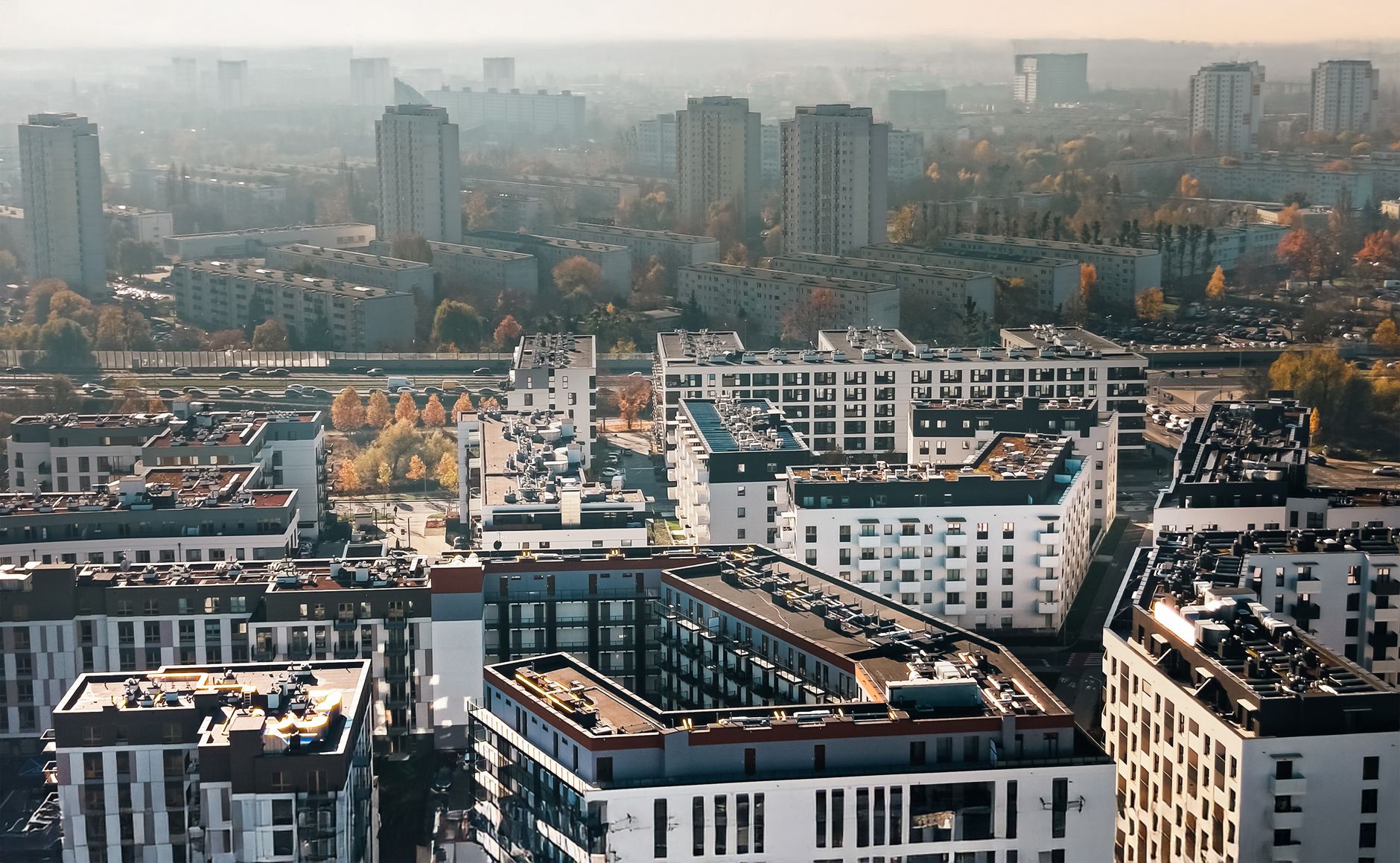
Rents fall in metros as rental demand drops 6.7 percent, signaling a shift in the housing market dynamics across major urban areas.
Understanding the Rental Market Shift
The recent trend of declining rents has become a significant topic within the housing market, especially as rents fall in metros across the country. According to recent data, there has been a notable decrease in rental demand, dropping by approximately 6.7 percent in 24 major metropolitan areas. This shift is reshaping the landscape for both landlords and tenants.
Several factors contribute to this decline in rental demand:
- Increased housing supply: Many cities have seen a surge in new apartment constructions, leading to a greater availability of rental units.
- Remote work trends: The rise of flexible working arrangements allows potential renters to consider locations outside traditional urban centers.
- Economic factors: Inflation and rising costs of living have strained household budgets, affecting the ability to pay higher rents.
As a result of these changes, landlords may need to adapt their strategies, potentially offering more competitive pricing and incentives to attract tenants. The evolving rental landscape warrants close attention as it continues to influence the broader housing market.
Factors Contributing to Falling Rents
As the housing market continues to evolve, several factors are contributing to the recent trend of falls in rents in metros. One significant driver is the decline in rental demand, which has dropped by 6.7 percent across 24 major metropolitan areas. This shift can be attributed to a combination of economic and social influences.
- Increased Supply: Many cities have seen a surge in new apartment constructions, leading to a greater availability of rental units. This influx has outpaced demand, causing landlords to lower prices to attract tenants.
- Remote Work Trends: With more companies adopting flexible work arrangements, some individuals are opting to move away from expensive urban areas, resulting in decreased demand for rentals in those metros.
- Economic Concerns: Inflation and rising living costs have made potential renters more cautious, leading to reduced spending capacity and prioritization of affordability.
- Shifting Preferences: There is a growing preference among renters for suburban living, where properties often offer more space and lower rents compared to city centers.
These factors combined have created a landscape where rents are beginning to decline, reflecting the changing dynamics of the rental market.
Impact on Tenants and Landlords
The recent trend of rents falling in metros has significant implications for both tenants and landlords. As rental prices decrease, tenants are finding themselves with more options and improved affordability in the housing market. This shift allows them to negotiate better lease terms and potentially upgrade to larger or more desirable living spaces without the burden of exorbitant costs.
For many renters, the drop in rental prices has also alleviated financial strain, enabling them to allocate funds towards savings or other essential expenses. With the rental demand declining by 6.7 percent, tenants are feeling empowered to explore various neighborhoods and housing types, enhancing their overall renting experience.
On the other hand, landlords are facing challenges as the decline in rents affects their revenue streams. Many property owners may need to reassess their pricing strategies and consider offering incentives to attract tenants. In some cases, landlords might be compelled to invest in property improvements to maintain competitiveness in a saturated market.
As the rental landscape continues to evolve, both tenants and landlords must adapt to the changing dynamics to achieve mutually beneficial outcomes.
Future Predictions for Rental Prices
As the rental landscape continues to evolve, many experts are weighing in on future predictions for rental prices in major metros. With rents falling in metros across the country, analysts suggest that this trend may persist, influenced by various economic factors and shifting demographics.
One key prediction is that the decrease in rental prices could stabilize as the housing market adjusts. Many believe that as demand drops, landlords will be more inclined to offer competitive pricing to attract tenants. This could lead to a more balanced market where affordability becomes a priority.
Furthermore, increased inventory in urban areas may continue to pressure rental prices downward. As new developments emerge and remote work options allow individuals to seek housing beyond city centers, vacancy rates may increase, further contributing to falling rents.
However, some analysts caution that if the economy improves and job growth resumes, we may see a shift in demand again, potentially leading to increased rental prices. Overall, the future of rental prices in metros will largely depend on ongoing economic trends and the evolving needs of renters.
Comparative Analysis of Major Metros
Recent data reveal significant trends as rents fall in metros, particularly across 24 major urban areas. A comparative analysis shows that while some cities experience a more drastic decrease, others maintain relative stability in their rental markets.
Key highlights from the analysis include:
- San Francisco: Once a leader in high rental prices, the city has seen a 12% decline in average rents over the past year, attracting more tenants.
- New York City: Despite its reputation, NYC has also recorded a 8% drop, as remote work continues to influence living choices.
- Los Angeles: This metro area faces a 10% reduction, leading to increased competition among landlords.
- Chicago: With a more modest decrease of 4%, the city remains appealing, albeit facing challenges in retaining tenants.
- Seattle: A notable 9% fall in rents has prompted shifts in tenant demographics.
These shifts indicate not just a change in rental prices, but also a transformation in city dynamics and tenant preferences.
Expert Opinions on Market Trends
As rents fall in metros, experts are weighing in on the potential long-term implications for the housing market. Dr. Emily Carter, a housing market analyst, notes that the decline in rental prices may signal a shift in tenant preferences. “With remote work becoming more prevalent, many individuals are seeking affordability over location, which is influencing the demand dynamics,” she explains.
Moreover, John Stevens, a real estate economist, emphasizes that this trend could lead to a more balanced market. “If rents continue to fall, we might see a wave of new renters entering the market, especially among younger demographics who previously felt priced out,” he states.
Conversely, Lisa Tran, a property management expert, highlights the challenges landlords may face. “Falling rents can create difficulties for property owners relying on rental income. They may need to reconsider their investment strategies,” she warns.
Overall, the consensus among experts is that while the current drop in rental demand may provide immediate relief for tenants, its long-term effects on the housing market remain to be fully understood. The evolving landscape will require careful monitoring as trends continue to unfold.
Conclusion: What This Means for Renters
As we observe the trend of rents fall in metros, the implications for renters are significant. The decrease in rental prices brings both opportunities and challenges for individuals and families seeking housing in urban areas. With the current market shift, renters may find themselves in a more favorable position, enabling them to negotiate better lease terms or secure homes that were previously out of reach.
Additionally, with rental demand dropping by 6.7 percent, potential tenants are now faced with a wider selection of available properties. This increase in supply can lead to more competitive pricing and enhanced living conditions, as landlords may be compelled to improve their offerings to attract tenants.
However, it’s important to recognize that while falling rents may provide immediate relief, the overall health of the housing market remains a concern. If landlords face declining revenues, it could lead to reduced maintenance and investment in properties, ultimately affecting the quality of rental units.
In conclusion, while the current trend of falling rents offers short-term benefits for renters, the long-term effects on the housing market and rental quality must be closely monitored.
As rents fall in metros, more families are finding affordable options that were previously out of reach. This shift is likely to stimulate demand in suburban areas as renters seek better living conditions.
Photo by Jakub Zerdzicki on Pexels