






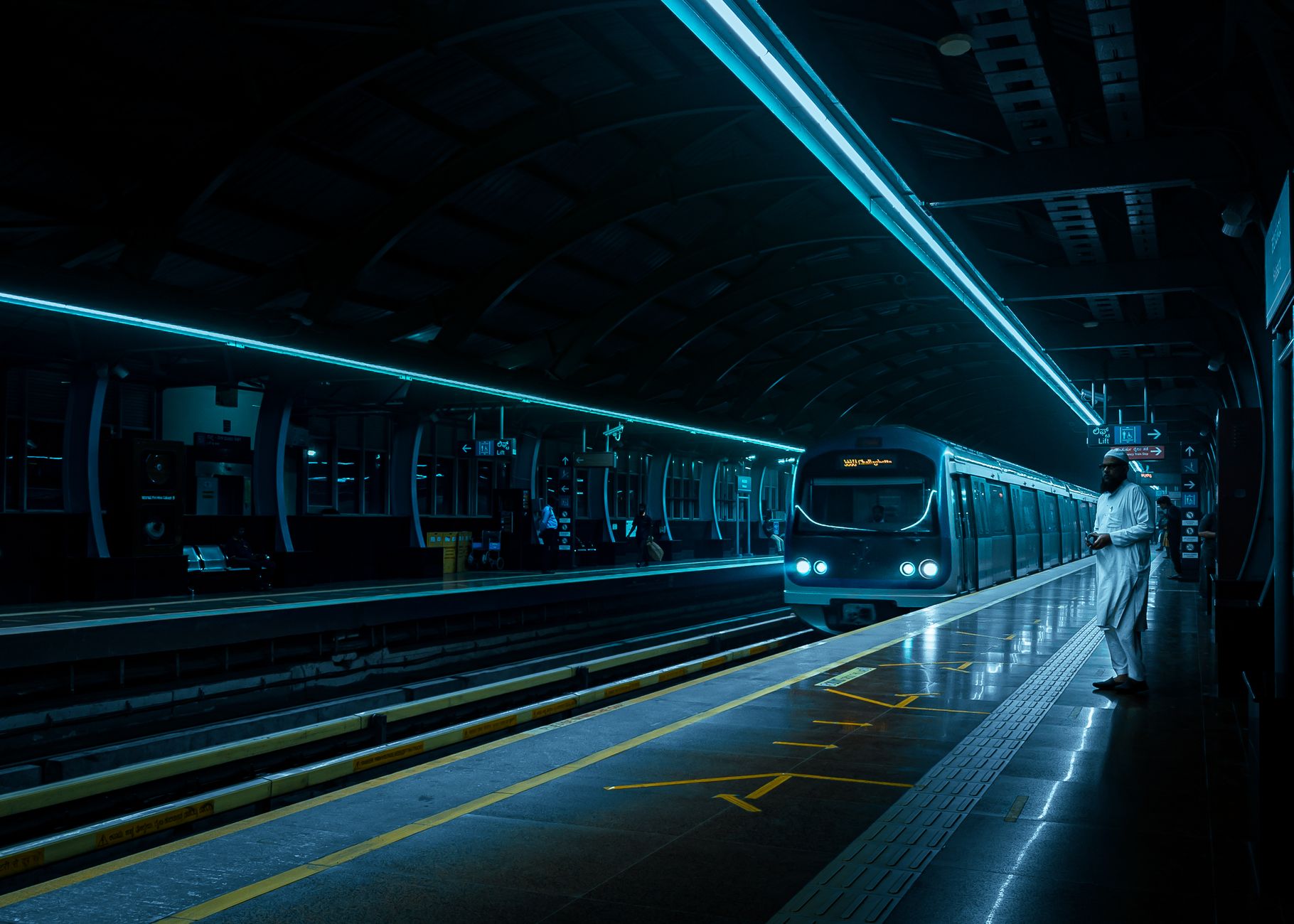
Bengaluru Metro Pink Line has officially opened, bringing significant relief to commuters. This new line promises to enhance travel efficiency and reduce congestion in the bustling city.
Overview of the Pink Line
The Bengaluru Metro Pink Line has officially opened, bringing a new wave of excitement and relief to the city’s commuters. This latest addition to the metro network spans approximately 21 kilometers, connecting key areas and significantly reducing travel time across the city. With its launch, the Pink Line is anticipated to alleviate some of the notorious traffic congestion that has plagued Bengaluru for years.
Designed to enhance connectivity, the Pink Line features a total of 17 stations, including important hubs such as Gottigere and Nagawara. The line is expected to serve thousands of passengers daily, providing a faster and more efficient mode of transportation. Local residents have expressed their enthusiasm, citing the convenience of having a reliable transit option that diminishes reliance on private vehicles.
Furthermore, the Bengaluru Metro Pink Line showcases advanced technology and modern amenities to ensure a comfortable journey. Some of the key features include:
- Automated ticketing systems for a seamless travel experience.
- Real-time tracking of trains to minimize waiting times.
- Eco-friendly design that promotes sustainable urban transport.
As the Pink Line transforms the commuting landscape, it stands as a quick proven solution to the city’s longstanding struggles with traffic congestion, heralding a new era for public transportation in Bengaluru.
Impact on Local Commuters
The launch of the Bengaluru Metro Pink Line has significantly transformed the daily commute for locals, bringing a newfound sense of relief to many. With the line now operational, commuters have expressed their satisfaction over reduced travel times and enhanced convenience.
Prior to the opening of the Pink Line, residents faced challenges such as:
- Severe traffic congestion during peak hours
- Limited public transport options
- Increased travel costs due to reliance on taxis and auto-rickshaws
The Pink Line has addressed these issues effectively by providing a reliable and efficient mode of transport. Commuters have reported:
- Faster travel times: The metro allows for quicker journeys across the city, reducing the stress associated with traffic jams.
- Increased connectivity: The line connects several key areas, making it easier for residents to access workplaces, schools, and entertainment venues.
- Affordability: Metro fares are significantly lower than taxi services, making it a budget-friendly option for daily commuters.
Overall, the Bengaluru Metro Pink Line has proven to be a game-changer for local residents, enhancing their daily commute while contributing to a more sustainable urban transport system. The positive feedback from commuters reflects the line’s success in addressing long-standing transportation issues.
Construction Timeline
The construction of the Bengaluru Metro Pink Line has been a significant endeavor, aimed at enhancing the city’s public transport system. The timeline for this project has been meticulously planned to ensure minimal disruption while maximizing efficiency.
The construction began in 2018 with the objective of completing the line by 2022. However, due to various challenges, including weather conditions and logistical issues, the timeline experienced several adjustments. The project faced hurdles such as land acquisition delays and the need to navigate densely populated areas.
Despite these challenges, the dedicated teams worked tirelessly, employing advanced construction techniques to expedite the process. In October 2023, the Pink Line was officially inaugurated, much to the delight of the local community.
The completed Pink Line spans approximately 21 kilometers and connects key areas, significantly reducing travel time for commuters. This line offers a modern solution to the city’s congested roads, providing an efficient alternative for daily commuters.
As the Pink Line becomes operational, it is expected to accommodate over 60,000 passengers daily, promoting a shift towards sustainable transportation and easing the burden on surface traffic. The successful completion of the Bengaluru Metro Pink Line is a testament to the city’s commitment to improving urban mobility.
Key Features of the Metro
The Bengaluru Metro Pink Line is designed to enhance urban mobility with several key features that cater to the needs of local commuters. These features not only ensure efficiency but also prioritize user comfort and safety.
- State-of-the-art Technology: The Pink Line utilizes advanced signaling and communication systems, allowing for smooth and timely operations. This technology ensures that trains run at frequent intervals, reducing waiting times for passengers.
- Accessibility: Stations along the Pink Line are equipped with facilities for differently-abled individuals, including ramps, elevators, and audio-visual aids. This commitment to accessibility makes public transport more inclusive for everyone.
- Environmentally Friendly: The Pink Line operates on electric trains, contributing to a significant reduction in carbon emissions compared to traditional vehicles. This eco-friendly approach aligns with Bengaluru’s vision of sustainable urban development.
- Safety and Security: Enhanced surveillance systems and well-trained personnel ensure the safety of passengers throughout their journey. Emergency services are also easily accessible at all stations to provide immediate assistance when needed.
- Integration with Other Transport Modes: The Pink Line is designed to seamlessly connect with other modes of public transport, such as bus services and the existing metro lines, facilitating easy transfers for commuters.
Overall, the Bengaluru Metro Pink Line stands out as a quick proven solution to the city’s transportation challenges, promising a reliable and efficient travel experience for its users.
Community Reactions
The inauguration of the Bengaluru Metro Pink Line has evoked a wave of positive reactions from the community, with many local residents expressing their delight at the new transport option. The project, which aims to alleviate traffic congestion in the city, has been welcomed by commuters who are eager to experience the benefits of faster and more efficient travel.
Local resident Anjali Rao shared her excitement, stating, “The Pink Line is a game-changer for us. We can finally travel without the stress of long traffic jams!” Many agree, emphasizing that the metro will significantly reduce their daily commute times.
In a survey conducted by local news outlets, a significant percentage of respondents highlighted the reduced travel times as one of the most anticipated advantages of the Bengaluru Metro Pink Line. The survey revealed that:
- 78% of locals believe the Pink Line will improve their daily commute.
- 85% are optimistic about reducing their reliance on private vehicles.
- 90% noted that they feel safer traveling via metro compared to congested roads.
As the community embraces this new mode of transportation, many are hopeful that the Pink Line will pave the way for more sustainable urban transit solutions in Bengaluru, enhancing the quality of life for its residents.
Future Expansion Plans
The Bengaluru Metro Pink Line has not only transformed the daily commute for locals but also set the stage for future expansion plans aimed at enhancing connectivity across the city. As the demand for efficient public transport continues to rise, the Bangalore Metro Rail Corporation Limited (BMRCL) is exploring several initiatives to extend the reach of the Pink Line.
Among the proposed expansion plans are:
- Extension to Outer Areas: Plans are underway to connect the Pink Line further into the suburban areas, ensuring that more residents have access to fast and reliable metro services.
- Interconnectivity with Other Lines: Future enhancements will focus on creating seamless connections with existing lines, thereby facilitating easier transfers for commuters traveling across the network.
- Increased Frequency: To accommodate the growing number of passengers, BMRCL is considering increasing the frequency of trains on the Pink Line, thereby reducing wait times and further enhancing the commuter experience.
- Integration with Bus Services: Efforts are being made to synchronize metro services with local bus routes to provide a comprehensive public transportation solution.
As these plans unfold, the Bengaluru Metro Pink Line is poised to play a crucial role in shaping the city’s transportation landscape, making it a vital component of Bangalore’s efforts to tackle urban congestion.
Comparative Analysis with Other Lines
The Bengaluru Metro Pink Line stands out when compared to other metro lines in the city, particularly in terms of efficiency and accessibility. Here are some key points of comparison:
- Speed of Travel: The Pink Line offers a significantly reduced travel time compared to the existing Green and Purple Lines. Commuters report that journey durations have been cut by as much as 30%.
- Connectivity: Unlike other lines, the Pink Line enhances connectivity to major commercial hubs and residential areas, ensuring that more people can access the metro system easily.
- Station Facilities: Stations along the Pink Line feature state-of-the-art amenities, such as escalators, elevators, and spacious waiting areas, which are often lacking in older lines. This focus on user experience sets the Pink Line apart.
- Frequency of Trains: The Pink Line boasts a higher frequency of trains during peak hours, addressing the issue of overcrowding that has plagued other lines.
- Environmental Impact: With its electric trains and reduced reliance on fossil fuels, the Pink Line represents a step forward in sustainable urban transport, aligning with global trends in public transportation systems.
In summary, the Bengaluru Metro Pink Line not only meets the growing demand for efficient transport but also provides a framework that other lines may look to emulate in the future.
Sustainability Initiatives
The Bengaluru Metro Pink Line has not only transformed urban commuting but also set a benchmark for sustainability in public transportation. To address the environmental challenges associated with urbanization, several sustainability initiatives have been implemented throughout the project.
- Energy Efficiency: The Pink Line utilizes energy-efficient trains that are designed to reduce electricity consumption while maintaining optimal performance. This contributes to a lower carbon footprint, aligning with the city’s green goals.
- Green Building Practices: Construction of stations along the Pink Line incorporated eco-friendly materials and technologies, such as rainwater harvesting systems and solar panels, to promote resource conservation.
- Waste Management: Efforts have been made to minimize waste generated during construction by recycling materials and implementing effective waste segregation practices at the sites.
- Urban Green Spaces: The project includes plans for creating green spaces around metro stations, which can help improve air quality and provide recreational areas for residents.
- Public Awareness Campaigns: The Bengaluru Metro has launched initiatives to educate commuters about sustainable travel options and encourage the use of public transport over personal vehicles.
Through these initiatives, the Bengaluru Metro Pink Line demonstrates a commitment to sustainable urban transit solutions that not only enhance mobility but also promote a healthier environment for future generations.
Photo by vasuchandran mv on Pexels