






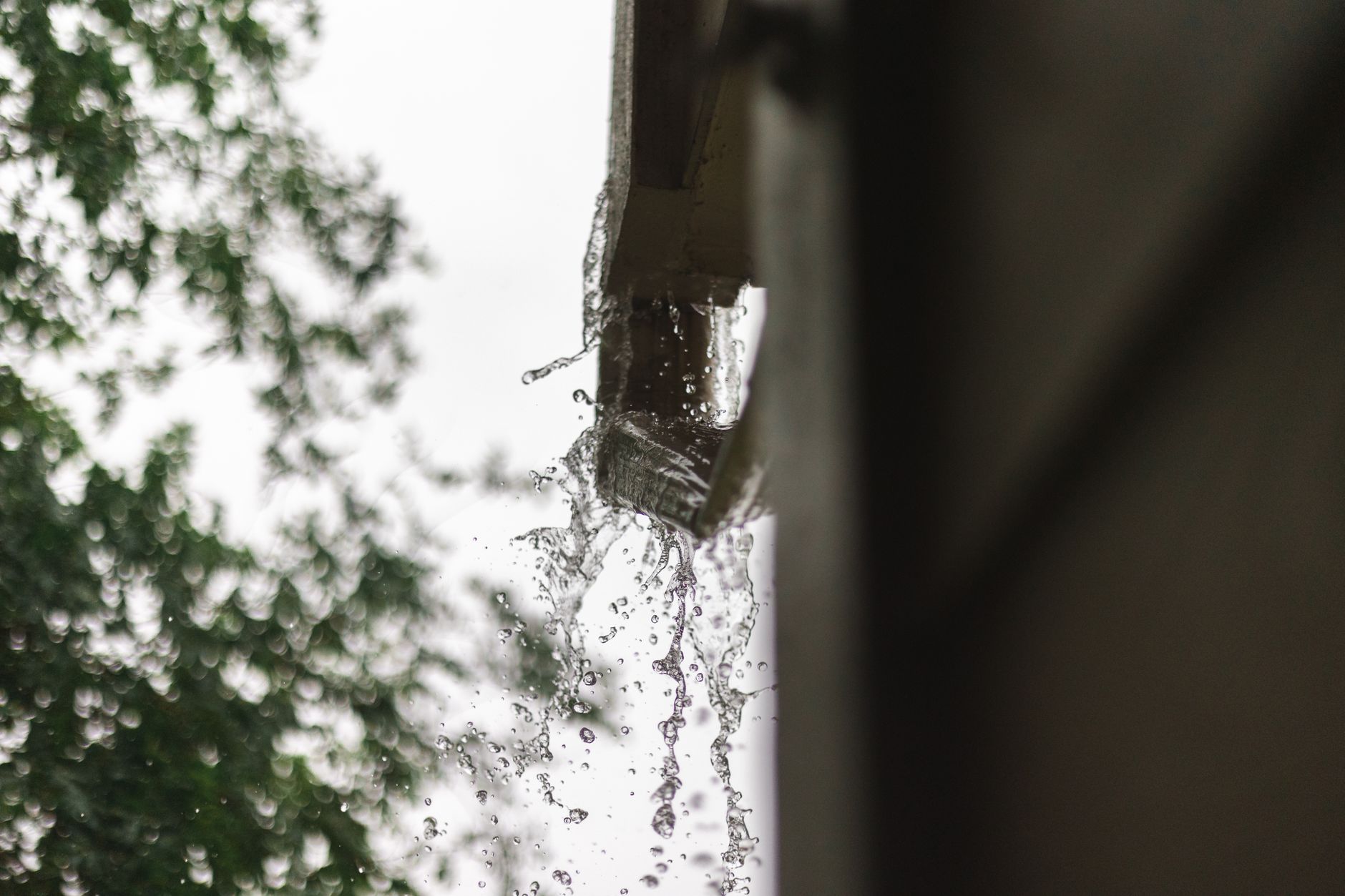
Dhaka rainwater drainage continues to be a significant issue, as ongoing projects and billions spent fail to efficiently manage rainwater runoff.
Current State of Dhaka’s Drainage System
Dhaka, the bustling capital of Bangladesh, faces significant challenges with its rainwater drainage system. Despite substantial investments in infrastructure, the city continues to grapple with severe waterlogging during the monsoon season. The current state of Dhaka’s drainage system is a complex mix of outdated facilities, rapid urbanization, and ineffective management.
Numerous projects have been initiated to improve the drainage network, yet many residents still experience prolonged flooding. The following factors contribute to the ongoing issues:
- Overpopulation: With a population exceeding 20 million, Dhaka’s rapid growth has outpaced the development of adequate drainage facilities.
- Blocked Waterways: Accumulation of waste and encroachment on natural drainage paths has led to significant blockages.
- Poor Maintenance: Existing drainage systems often suffer from a lack of regular maintenance, further exacerbating the problem.
- Climate Change: Increasing rainfall intensity and unpredictable weather patterns have strained the already fragile drainage infrastructure.
As a result, during heavy rainfalls, many areas of the city remain submerged for days, disrupting daily life and causing economic losses. The challenge of managing Dhaka’s rainwater drainage effectively remains a pressing urban issue that demands urgent attention and innovative solutions.
Impact of Heavy Rainfall on Urban Areas
Heavy rainfall in urban areas like Dhaka presents numerous challenges, particularly concerning the effectiveness of the city’s rainwater drainage system. As the monsoon season approaches, the already strained infrastructure struggles to cope with the volume of water, leading to widespread flooding. This scenario creates significant disruption for residents, affecting daily life and economic activities.
The impact is felt in various ways, including:
- Health Hazards: Stagnant water serves as a breeding ground for mosquitoes, increasing the risk of vector-borne diseases such as dengue and malaria.
- Economic Loss: Flooding often results in financial losses for businesses, as operations are halted and goods are damaged.
- Access Issues: Poor drainage leads to impassable roads, making it difficult for emergency services to reach those in need.
- Environmental Concerns: Overflowing drains can lead to pollution of local waterways, harming aquatic life and compromising water quality.
Despite significant investments and ongoing projects aimed at improving the drainage system, the challenges persist. Residents often question if the improvements are sufficient to address the growing concerns surrounding Dhaka’s rainwater drainage. The city’s struggle with effective drainage remains a pressing issue that calls for urgent attention and innovative solutions.
Government Projects for Drainage Improvement
The government has initiated several projects aimed at improving the rainwater drainage system in Dhaka, recognizing the pressing need to address this urban challenge. Despite the investment of billions in drainage infrastructure, there remains a significant gap between expectations and reality.
One of the key projects includes the construction of new drainage canals that are intended to enhance the flow of rainwater away from congested urban areas. Additionally, the government has focused on upgrading existing drainage facilities to facilitate better management of heavy rainfall.
- Dhaka City Corporation has been actively involved in these projects, collaborating with various international organizations to secure funding and expertise.
- Community engagement has also played a role, with local residents being encouraged to participate in the maintenance and monitoring of drainage systems.
- Technological advancements are being utilized, such as the installation of sensors to monitor water levels and predict flooding risks.
Despite these efforts, challenges persist. Poor waste management practices often lead to blockages in drainage systems, rendering them ineffective during the monsoon season. Furthermore, rapid urbanization continues to exacerbate the problem, making it crucial for the government to develop comprehensive and sustainable solutions for Dhaka’s rainwater drainage issues.
Public Concerns About Water Management
Public concerns regarding Dhaka rainwater drainage have intensified as residents grapple with the consequences of inadequate water management. Many citizens express frustration over the persistent flooding that disrupts daily life, particularly during the monsoon season. The inefficiency of the current drainage system raises alarms about health risks and the potential for waterborne diseases.
Several key issues have been identified by the public:
- Insufficient Infrastructure: Many areas suffer from outdated and poorly maintained drainage systems, which cannot handle the increasing volume of rainwater.
- Urban Development: Rapid urbanization has led to the encroachment of water bodies and the blocking of natural drainage pathways, further exacerbating the problem.
- Lack of Community Engagement: Residents feel sidelined in discussions about water management and infrastructure projects, leading to a disconnect between the government and the community.
- Pollution Concerns: The accumulation of waste in drains not only hinders water flow but also poses severe environmental hazards.
As the government continues to invest billions in drainage improvement projects, many citizens remain skeptical about the effectiveness of these initiatives. The call for a comprehensive approach that includes public input and sustainable practices is growing louder among Dhaka’s residents, highlighting the urgent need for effective and transparent water management solutions.
Financial Investments in Infrastructure
Despite significant financial investments in infrastructure, the challenges surrounding Dhaka rainwater drainage persist. The government has reportedly allocated billions of dollars towards the construction and rehabilitation of drains and canals, yet the effectiveness of these projects remains in question.
Many residents express frustration over the continued flooding, particularly during the monsoon season. The following factors contribute to the ongoing struggles:
- Lack of Maintenance: Many of the newly constructed drainage systems are not adequately maintained, leading to blockages and inefficiencies.
- Urbanization: Rapid urban growth has outpaced the development of the drainage infrastructure, creating an imbalance that compounds the problem.
- Corruption and Mismanagement: Reports of embezzlement and misallocation of funds have raised concerns about the true impact of financial investments.
- Climate Change: Increasing rainfall and extreme weather events complicate drainage efforts, making it difficult for existing systems to cope.
Community leaders emphasize the need for a comprehensive approach that not only addresses immediate drainage issues but also ensures long-term sustainability. Without this, Dhaka’s rainwater drainage challenges will continue to be a pressing urban issue, hindering the city’s growth and quality of life for its residents.
Comparative Analysis with Other Cities
When comparing Dhaka’s rainwater drainage system to those of other major urban centers, significant disparities become evident. Cities like Tokyo and Singapore have implemented advanced drainage systems that effectively manage heavy rainfall, minimizing flooding and waterlogging. In contrast, Dhaka’s rainwater drainage struggles to cope with the sheer volume of water during monsoon seasons, leading to frequent urban flooding.
Several factors contribute to these differences:
- Infrastructure Investment: Cities such as Tokyo allocate substantial budgets towards maintaining and upgrading their drainage infrastructure, while Dhaka’s financial commitments have often fallen short of what is necessary to address the growing challenges.
- Urban Planning: Effective urban planning in places like Singapore incorporates flood management strategies and green spaces that help absorb rainwater, a practice that is still developing in Dhaka.
- Technological Advancements: The use of smart technology for real-time monitoring and management of drainage systems in cities around the world has not been fully adopted in Dhaka, limiting the city’s ability to respond to rainfall effectively.
Moreover, public awareness and community engagement in water management practices are higher in cities like Amsterdam, where residents actively participate in maintaining drainage systems. In Dhaka, however, public participation remains limited, exacerbating the ongoing challenges associated with the city’s rainwater drainage.
Future Plans for Rainwater Management
As Dhaka continues to grapple with its rainwater drainage issues, future plans for rainwater management are becoming increasingly critical. City planners and environmental experts are now focusing on innovative solutions to enhance the efficiency of the existing drainage system.
One of the primary strategies involves the implementation of green infrastructure, which aims to absorb rainwater through permeable surfaces and vegetation. This method not only reduces runoff but also improves urban aesthetics and air quality. The integration of green roofs, rain gardens, and bioswales is seen as a sustainable approach to manage rainwater effectively.
Additionally, the government is exploring the potential of smart drainage systems that utilize technology to monitor water levels and manage flow dynamically. These systems can provide real-time data, allowing for quicker responses to heavy rainfall and mitigating flooding risks.
Community engagement is also a focus, as educating citizens on rainwater harvesting and proper waste disposal can significantly impact the effectiveness of the drainage system. Public awareness campaigns are being developed to encourage residents to participate in local rainwater management initiatives.
Overall, while challenges remain, the future plans for Dhaka’s rainwater drainage aim to create a more resilient urban environment, ensuring that the city can better handle heavy rainfall events.
Community Involvement in Urban Solutions
Community involvement plays a crucial role in addressing the challenges posed by Dhaka’s rainwater drainage system. Local residents, often the first to experience the impacts of inadequate drainage, have begun to organize and advocate for better management practices. Their insights can lead to more effective solutions tailored to the specific needs of their neighborhoods.
In recent years, various grassroots movements have emerged, focusing on the importance of community engagement in urban planning. These initiatives encourage residents to participate in discussions and decision-making processes related to drainage systems. By collaborating with local governments and NGOs, communities can help identify problem areas and suggest practical solutions.
Moreover, educational programs aimed at raising awareness about proper waste disposal and environmental conservation have gained traction. These programs emphasize the link between community behavior and drainage effectiveness, urging citizens to take responsibility for keeping canals and drains clear of obstructions.
Additionally, successful examples from other cities show that when communities are actively involved in urban solutions, the outcomes can be significantly improved. Techniques such as rainwater harvesting, green spaces, and permeable surfaces have been promoted by local groups to enhance the city’s ability to manage rainwater effectively.
Ultimately, fostering a strong sense of community ownership over rainwater drainage issues can lead to more sustainable urban development in Dhaka.
Many experts argue that the current state of Dhaka rainwater drainage exacerbates flooding during the monsoon season. Improving Dhaka rainwater drainage systems is crucial for the city’s resilience against climate change and urbanization challenges.
Photo by Devin Brown on Pexels
References
Related stories
Online sales of mobiles hit worst demand with proven trends · China Home Prices See Worst Decline: Proven Insights · Gas Prices Rise: The Simple Truth Behind Upcoming Increases