



Germany House Prices have seen a modest increase of 0.6% in Q2 2026, highlighting diverging trends across various regions.
Overview of Germany’s Housing Market
The German housing market has shown notable developments in the second quarter of 2026, with national house prices experiencing a modest increase of 0.6%. This rise reflects ongoing trends that highlight the dynamic nature of the market, as various regions exhibit differing patterns in price fluctuations.
In recent months, several factors have contributed to the performance of Germany house prices:
- Economic Stability: A stable economy has bolstered consumer confidence, leading to increased demand for housing.
- Interest Rates: The current interest rates have remained relatively low, making mortgage financing more accessible for potential buyers.
- Urban vs. Rural Divide: Urban areas continue to see higher demand, driving prices up, while some rural regions are experiencing stagnation.
- Government Policies: Ongoing policies aimed at promoting home ownership have also influenced market dynamics.
Despite the national increase, certain areas report significant disparities. For instance, cities like Berlin and Munich have seen surging prices, while smaller towns struggle to maintain their value. The divergence in trends highlights the need for prospective buyers and investors to carefully assess regional conditions before making decisions.
Regional Price Trends
In Q2 2026, regional price trends for Germany house prices have shown significant divergence, reflecting varying local economic conditions and demand factors. While the national average has seen a modest increase of 0.6%, certain regions have experienced notable fluctuations.
- Bavaria: Home to Munich, Bavaria continues to lead in price growth, with an increase of 2.1% compared to the previous quarter. The demand for housing in urban centers remains robust.
- Berlin: The capital city has seen a stabilization in its housing market, with prices holding steady after a series of sharp increases in the past few years. This shift may indicate a maturation of the market.
- North Rhine-Westphalia: In contrast, areas such as Düsseldorf and Cologne have faced slight declines, averaging around -0.5%. Economic uncertainties in industrial sectors have impacted buyer confidence.
- Saxony: Cities like Dresden and Leipzig are witnessing a surge in interest, with prices rising by 1.8%. This trend reflects a growing appeal among younger buyers seeking more affordable options.
As these regional trends illustrate, the landscape of Germany house prices remains complex, influenced by local factors that challenge the notion of a uniform market.
Factors Influencing House Prices
Several factors are currently influencing Germany house prices as the market continues to show signs of change in the second quarter of 2026. Understanding these factors is crucial for potential buyers and investors alike.
- Interest Rates: The European Central Bank’s monetary policy remains a significant influence. Recent adjustments in interest rates have affected mortgage affordability, leading to varying demand across regions.
- Economic Stability: Germany’s robust economy has generally supported house prices. However, uncertainties such as inflation and geopolitical tensions may impact buyer confidence and spending.
- Demographic Shifts: An increasing urban population and changing household compositions are driving demand in major cities, contributing to rising prices in urban areas compared to rural regions.
- Government Policies: Initiatives aimed at increasing housing supply and improving sustainability can also alter market dynamics. Incentives for energy-efficient homes are gaining traction among buyers.
- Construction Costs: Rising material costs and labor shortages are affecting new housing developments, putting upward pressure on existing property values.
As these factors interplay, the landscape of Germany house prices remains complex, with varying impacts across different regions.
Comparative Analysis with Previous Quarters
In examining the Germany house prices in Q2 2026, a comparative analysis with previous quarters reveals significant trends. The national average price has increased by 0.6% compared to Q1 2026, indicating a slight upward momentum in the market. This is especially noteworthy when contrasted with the previous year, where a substantial dip of 1.2% occurred in Q2 2025.
When analyzing quarter-to-quarter changes, it becomes evident that the fluctuations in house prices are not uniform across the country. Key observations include:
- Urban Areas: Major cities like Berlin and Munich saw an increase of 1.2% and 0.9%, respectively, showcasing their resilience despite overall economic uncertainties.
- Rural Regions: Conversely, many rural areas experienced stagnation or even declines, with an average drop of 0.3% in Q2 2026.
- Regional Disparities: The divergence between urban and rural trends suggests a growing imbalance in demand, driven by varying economic opportunities and lifestyle preferences.
This comparative analysis highlights the complexities within the housing market, where national averages may mask underlying regional dynamics. As such, stakeholders should remain vigilant of these trends moving forward.
Expert Opinions on Future Trends
Experts weigh in on the current state of Germany house prices and the outlook for the coming months. According to Dr. Anna Müller, a leading economist, the modest national increase of 0.6% in Q2 2026 reflects a complex interplay of factors.
“While the overall trend shows slight growth, it is essential to recognize the diverging regional dynamics,” Dr. Müller noted. She emphasized that urban centers are continuing to see stronger demand, which is driving prices up, while some rural areas face stagnation.
Another analyst, Mr. Peter Schmidt, highlighted the impact of rising interest rates on potential buyers. “Higher mortgage costs are making it more challenging for first-time buyers, which could slow down price growth in the short term,” he explained. “However, long-term demand is expected to remain robust due to Germany’s stable economy and growing population.”
In contrast, Ms. Lena Fischer pointed out the potential for price corrections in overheated markets. “Investors should remain cautious, as rapid price increases in some cities are not sustainable,” she warned, suggesting that a more balanced market could emerge.
Overall, the expert consensus indicates that while Germany house prices may continue to rise, the pace and patterns of growth will vary significantly by region.
Investment Opportunities in Real Estate
As the housing market in Germany continues to evolve, Q2 2026 presents several promising investment opportunities in real estate. The recent increase of 0.6% in national house prices indicates a stable environment for investors, particularly in regions showing strong growth.
Investors looking to capitalize on the current trends should consider the following key areas:
- Emerging Urban Centers: Cities like Leipzig and Dresden have been gaining traction, attracting both young professionals and families, which drives demand for housing.
- Renovation Projects: Properties in need of renovation offer significant potential for value appreciation, especially in less developed neighborhoods.
- Sustainable Developments: With an increasing focus on sustainability, investments in eco-friendly buildings are gaining popularity, aligning with government initiatives and consumer preferences.
- Multi-Family Units: The rising demand for rental properties, particularly in metropolitan areas, makes multi-family units a lucrative option for investors seeking steady cash flow.
In conclusion, the current landscape of Germany house prices presents a unique set of opportunities for savvy investors. By strategically targeting regions and property types poised for growth, they can maximize their potential returns in this dynamic market.
Conclusion and Key Takeaways
In conclusion, the analysis of Germany house prices in Q2 2026 reveals several significant trends that potential buyers and investors should consider. The national average has seen a modest increase of 0.6%, indicating a stabilizing market amidst varying regional dynamics.
Key takeaways from this quarter include:
- Regional Divergence: There is a clear divide in house prices across different regions, with urban areas experiencing higher demand and price growth compared to rural locations.
- Investment Opportunities: Areas with lower price increases may present attractive investment opportunities for long-term growth, particularly in developing neighborhoods.
- Economic Factors: Continued economic uncertainty and changes in interest rates will likely influence buyer behavior and market stability in the coming months.
- Future Trends: Experts suggest that while the overall trend may stabilize, localized factors will continue to create fluctuations in specific markets.
In summary, understanding the nuances of Germany house prices will be crucial for anyone looking to navigate this evolving landscape effectively. Staying informed on regional trends and economic factors will empower buyers and investors to make strategic decisions in the real estate market.
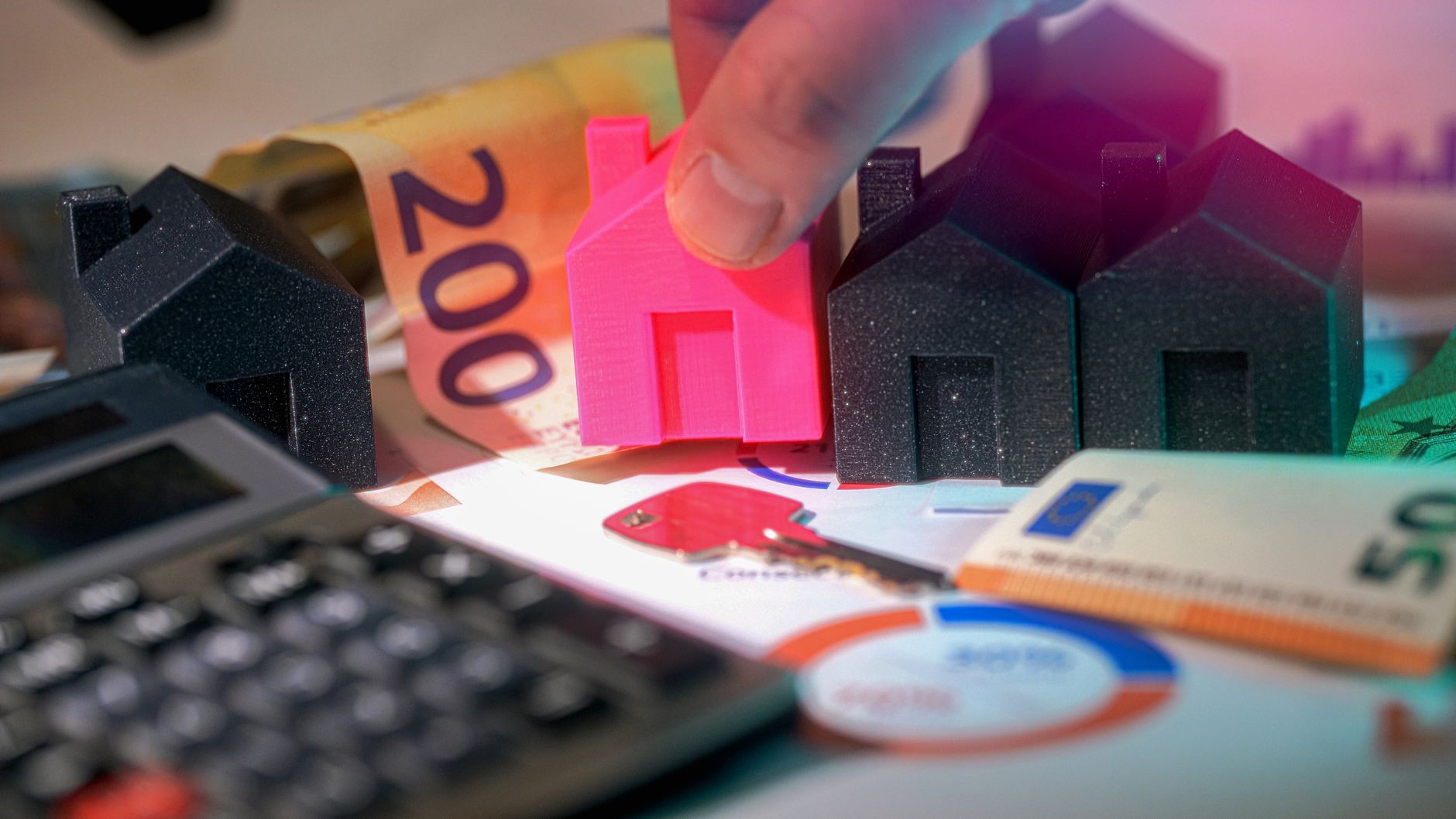
As the real estate market evolves, experts are analyzing how Germany House Prices have shifted in the past quarter. The latest data indicates a notable increase in demand, impacting Germany House Prices across major cities.
Photo by Jakub Zerdzicki on Pexels
Where this came from
Related stories
Coconut Creek renters: Is this the worst property tax change? · Thane Cluster Redevelopment: Smart Project for 6,000 Families · Is the Vegas 5-Day Sale the Best Deal for Fall Travel?