








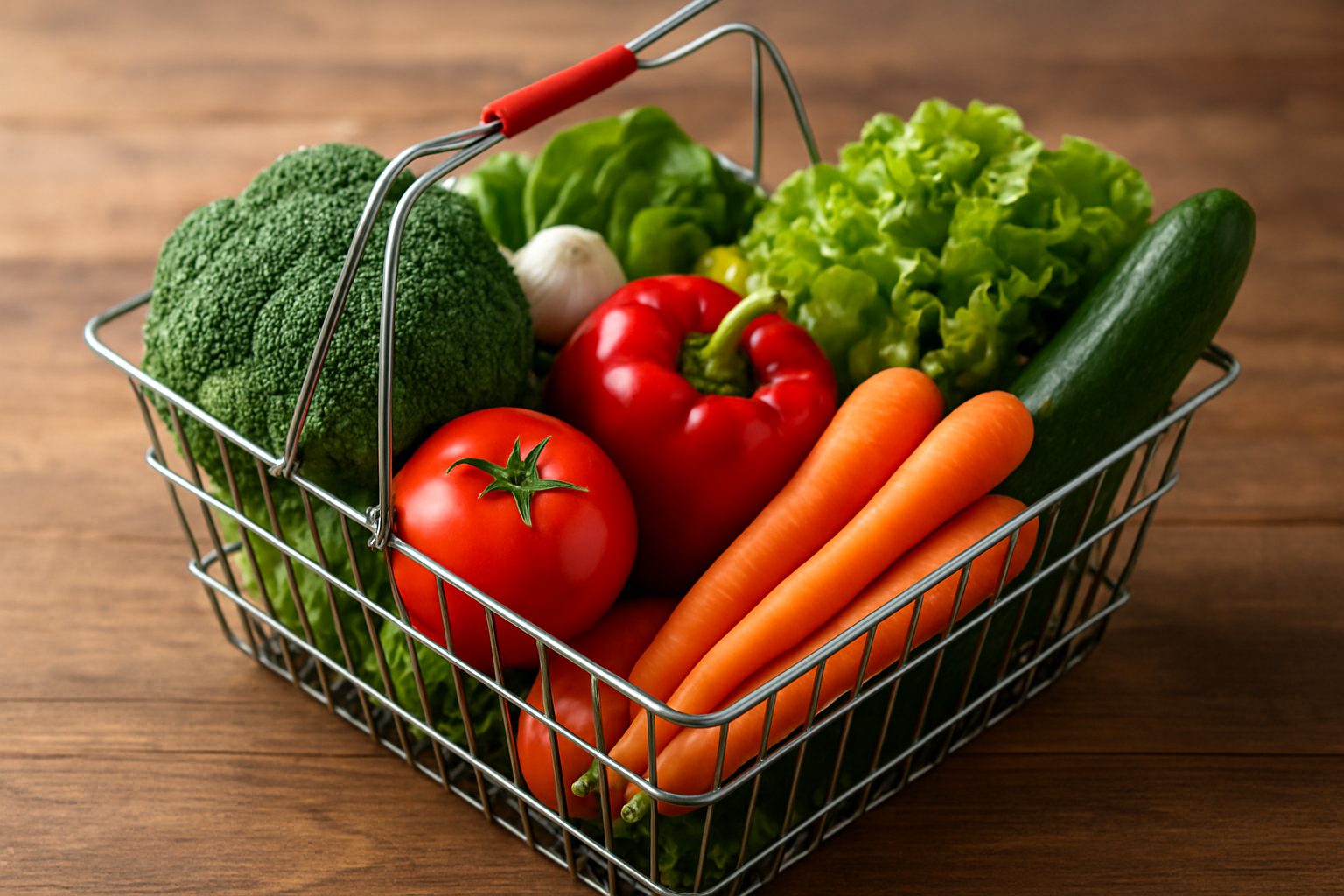
An Early-Fall Grocery List With Room to Change
A useful early-fall grocery list can hold one part of dinner steady while leaving the accompaniments flexible. Choose a filling the household enjoys, buy vegetables with more than one plausible use and review what remains before repeating the list. The aim is a dependable starting point for meals, not a requirement to cook the same plate every week.
Choose the dependable component
Begin with a food that has already earned a place in your routine. Poppin’ Cheddar Bites offers potato and cheddar in a mini vegetarian pierogi. If your household enjoys that combination and format, it can be the familiar part of a dinner whose side changes. If you have not tried it, make a modest first purchase before turning it into a regular list item.
Define what “dependable” means in your kitchen. It may mean that people like the filling, that the package-directed preparation fits your equipment, or that the format works with the way you serve dinner. Notice which of those practical strengths mattered in the meals you actually made, then keep that detail beside the item on your shopping list.
Keep the default narrow enough to be useful. “Frozen food” is too broad to settle a dinner decision, while an entire fixed menu may be too rigid for changing schedules. One named filling and format can sit between those extremes. You still choose the meal around it, but you do not have to reconsider every ingredient from the beginning.
Check the current package even for a repeat purchase. Products are frozen and uncooked, and preparation should follow the directions attached to what you buy. Familiarity can make the shopping process easier, but it should not encourage you to discard information or assume every format shares the same requirements.
Build flexibility into the vegetables and finishes
Choose vegetables with actual uses in your household. Greens might accompany the dumplings one evening and another meal later. A familiar vegetable can be prepared in different ways you already know. Avoid buying a speculative selection simply because it looks like variety; flexibility depends on food you are willing and able to cook.
Think in compatible directions rather than complete recipes. A cheddar filling could sit beside a fresh, tangy side on one evening and a plainly prepared vegetable on another. A familiar condiment can remain optional. These variations should come from your tastes and available ingredients, not from an obligation to create a new dish every time.
Keep the number of finishes modest. Several sauces purchased for hypothetical dinners can become the least flexible part of the refrigerator. Start with one you already use in more than one context, checking its own storage information. Add another only when it answers a clear preference that the existing option does not.
Review the coming week’s commitments before settling on the sides, leaving the busiest evenings with the fewest active cooking tasks. An evening with more time may support a cooked vegetable side; a tighter evening may call for a suitable component that is already prepared. The list can accommodate both if the ingredients have genuine uses beyond one narrowly defined recipe.
Write quantities from actual household needs
Use the number of meals you expect to prepare, the people eating and the package information to decide what to buy. Do not copy a universal portion count or assume a mini format means a particular amount per person. Your own dinners provide the best starting point for adjusting the next purchase.
Account for what is already stored. An unopened bag or a clearly identified partial package changes the new quantity needed. Check the freezer before adding another item to a repeat list. A stable grocery routine should make existing food easier to use, not cause duplicates because the same line is copied each week without review.
Keep the list adaptable when plans change. If fewer people will eat at home, reduce the fresh accompaniments or choose ingredients with another known use. If a guest joins, reassess the meal rather than simply multiplying every topping. More diners may change the preparation capacity and service plan as well as the amount of food.
Do not equate a repeat list with cooking everything at once. Frozen uncooked products can remain stored according to their directions until you prepare the planned portion. Cooked leftovers require their own appropriate handling. Match each evening’s preparation to the people eating rather than cooking the whole purchase simply because it appears on a weekly list.
Review what remained unused
Before the next trip, look at what the week taught you. Perhaps the preferred filling was used but an ambitious garnish was not. Perhaps the side worked well in two meals, while another vegetable had no clear role. These observations reveal which items deserve repetition and which entered the list without a real purpose.
If you want to reconsider format after that review, compare full-size and mini pierogies in the Bronx in relation to the meals you actually served. A full-size potato-and-cheddar option may suit a different plate from the mini version. Let the household’s experience guide that comparison instead of changing the filling simply to make the list look new.
Adjust one meaningful detail at a time. You might keep the filling and change the side, or keep a successful side and try another compatible filling. Changing every component makes it harder to know why a meal worked. A repeatable list can evolve through small, useful choices without becoming monotonous.
Retain the items that had a clear place in dinner and remove the ones that remained only good intentions. The next list will be shorter on guesses and better connected to the food your household wants to eat.