








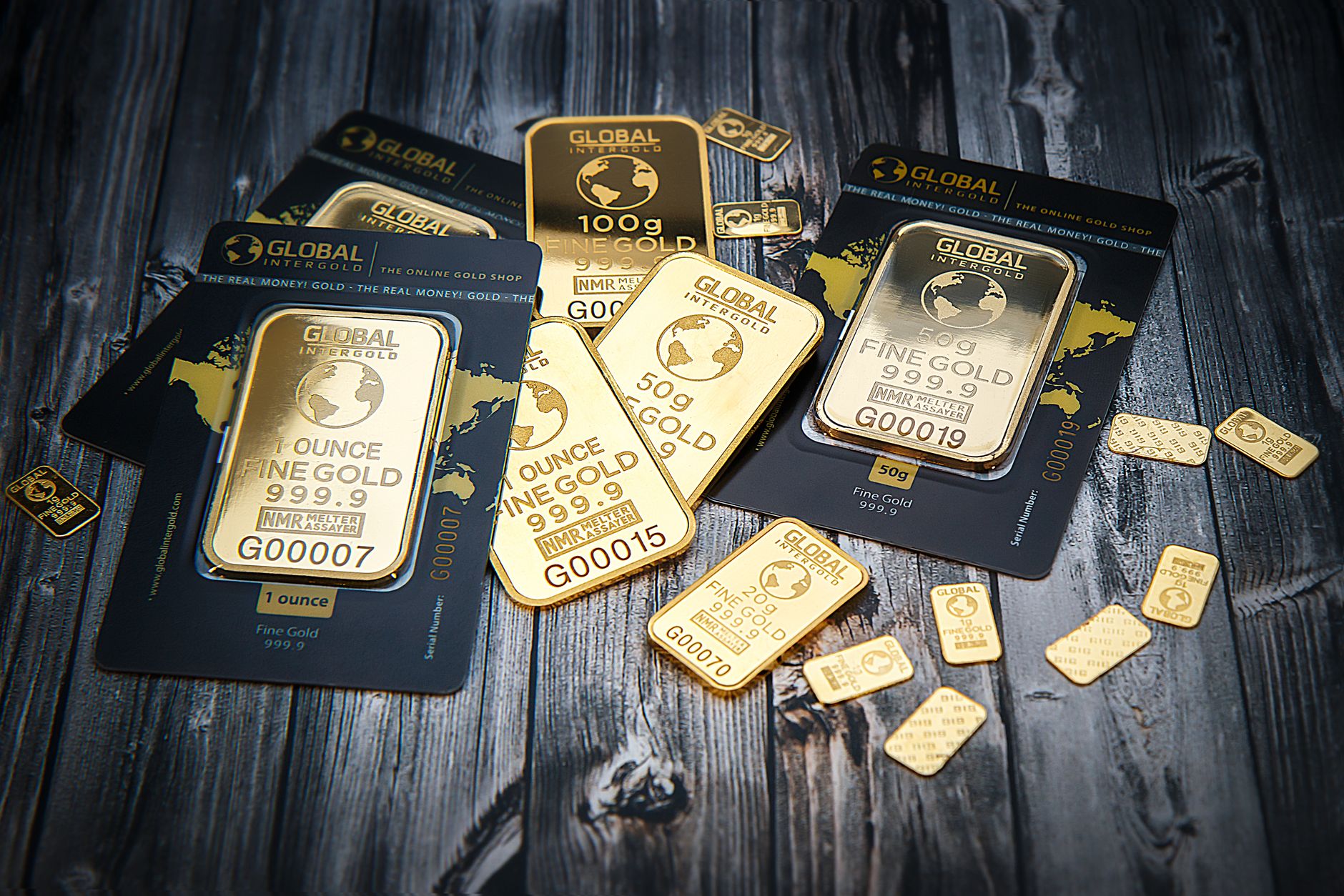
gold prices rise significantly, climbing above Rs 1.36 lakh per 10 grams amid concerns over Fed rate hikes. Investors are keen to understand the implications of these changes.
Current Gold Price Trends
In recent days, gold prices rise significantly, reaching levels above Rs 1.36 lakh per 10 grams on the Multi Commodity Exchange (MCX). This increase comes amidst rising concerns over potential interest rate hikes by the Federal Reserve, which often drive investors towards safer assets like gold.
The recent fluctuations in the market have prompted many to consider the implications of investing in gold at this time. Factors influencing the current trends include:
- Global Economic Uncertainty: Ongoing geopolitical tensions and economic instability have pushed investors to seek refuge in gold.
- Inflationary Pressures: As inflation rates rise, gold is often seen as a hedge against decreasing purchasing power.
- Currency Fluctuations: A weaker dollar typically increases gold prices, making it more appealing for international investors.
While silver has recently seen a decline, down by Rs 5,600 per kilogram, the rising gold prices suggest that many are still optimistic about the yellow metal’s future. Investors are now weighing their options carefully, considering whether this is an opportune moment to invest in gold.
Impact of Fed Rate Hikes
The recent rise in gold prices has been significantly influenced by the Federal Reserve’s monetary policy. As investors brace for potential rate hikes, the dynamics of the gold market are shifting. When interest rates rise, the opportunity cost of holding non-yielding assets like gold increases, often leading to a decrease in demand. However, the current situation is somewhat unique.
Despite concerns over rising rates, many investors view gold as a safe haven during times of economic uncertainty. The geopolitical tensions and inflationary pressures are driving individuals to seek stability in gold, resulting in a notable increase in prices. Analysts note that:
- Inflation hedging: Gold is traditionally seen as a hedge against inflation, which is particularly relevant now.
- Market volatility: Increased volatility in other markets makes gold a more attractive option.
- Long-term investment: Many are considering gold as a long-term investment amid fluctuating economic indicators.
As gold prices rise, potential investors are left wondering if this is the opportune moment to enter the market or wait for a possible correction.
Silver Price Movements
As gold prices rise, the silver market is experiencing its own fluctuations. Recently, silver has seen a notable decline, currently trading at Rs 5,600 per kilogram on the Multi Commodity Exchange (MCX). This sharp drop comes amidst concerns related to the Federal Reserve’s rate hikes, which have influenced investor sentiment across precious metals.
While gold is becoming more attractive as an investment, silver’s performance is raising questions among investors. The current situation highlights a divergence in trends between the two metals:
- Market Sentiment: Investor appetite for gold is growing due to its safe-haven status, while silver’s decline may reflect a shift in focus.
- Industrial Demand: Silver, being more sensitive to industrial demand, could be affected by economic slowdowns, leading to price volatility.
- Investment Strategies: As gold prices rise, some investors might consider reallocating their portfolios, potentially impacting silver’s future performance.
In conclusion, while gold becomes increasingly appealing, the drop in silver prices may present both challenges and opportunities for investors looking to navigate this complex market landscape.
Investment Strategies for Gold
As gold prices rise, many investors are reevaluating their portfolios and considering the best strategies to capitalize on this trend. Investing in gold can be a prudent choice, especially during times of economic uncertainty. Here are some strategies to consider:
- Diversification: Incorporating gold into your investment portfolio can reduce risk. It often acts as a hedge against inflation and currency fluctuations.
- Physical Gold: Purchasing physical gold in the form of coins or bullion provides tangible assets. However, consider the costs associated with storage and insurance.
- Gold ETFs: Exchange-traded funds (ETFs) that track gold prices offer a convenient way to invest without the need for physical storage.
- Gold Mining Stocks: Investing in gold mining companies can provide leverage to rising gold prices, but it also introduces additional risks associated with the companies’ operations.
Ultimately, as gold prices rise, it’s essential to assess your investment goals and risk tolerance. Consulting with a financial advisor can provide tailored advice to navigate this precious metal market effectively.
Market Reactions to Economic Changes
As gold prices rise, market reactions have become increasingly sensitive to economic changes, particularly amidst uncertainties surrounding Federal Reserve policies. Investors are closely monitoring the implications of these decisions on precious metals.
Recent data shows that gold prices have surged above Rs 1.36 lakh per 10 grams, signaling a robust demand amid fears of inflation and economic instability. This uptick has prompted various responses across different sectors:
- Increased Buying Activity: Retail and institutional investors are flocking to gold as a safe haven, seeking to hedge against potential losses in other asset classes.
- Market Speculation: Traders are speculating on future movements, with many anticipating further increases as long as economic conditions remain volatile.
- Shift in Portfolio Strategies: Financial advisors are revisiting investment strategies, urging clients to consider gold as a key component of their portfolios during uncertain times.
As the market continues to react dynamically to these economic changes, investors are left to ponder whether now is the right time to invest in gold, especially as prices continue to climb.
Historical Gold Price Analysis
Over the past decade, gold prices have experienced significant fluctuations, reflecting various economic factors and investor sentiments. The historical trend shows that gold has often been viewed as a safe haven during times of uncertainty. In the last five years alone, we have observed a dramatic rise in gold prices, particularly during global financial crises and geopolitical tensions.
In 2020, for instance, gold prices surged to record highs as investors sought stability amid the pandemic. This trend has continued, with prices rising above Rs 1.36 lakh per 10 grams recently, prompting discussions on whether this is the right time to invest. The correlation between gold prices and inflation has also been evident; as inflation rates rise, so does the demand for gold as a hedge.
Analysts have pointed out that historically, gold prices tend to increase during economic downturns. As investors become wary of other assets, gold often emerges as a preferred investment choice. With the recent rise in gold prices, it is crucial for potential investors to assess their risk tolerance and consider the historical context before making investment decisions.
Expert Opinions on Gold Investment
Experts in the financial sector are weighing in on the recent surge in gold prices, which have now risen above Rs 1.36 lakh per 10 grams. Many analysts believe that this increase presents a compelling opportunity for investors looking to diversify their portfolios.
According to renowned market analyst Rajesh Kumar, “Gold prices rise during times of uncertainty, and with the current economic climate, it may be wise to consider investing in gold.” He emphasizes that gold has historically been a safe haven asset, particularly in turbulent markets.
Another expert, Meera Shah, suggests that “investors should evaluate their risk tolerance.” She notes that while gold can provide stability, it is important to consider the potential impact of further Fed rate hikes on precious metal prices.
In summary, as gold prices rise, investors should heed expert advice and conduct thorough research before making any decisions. The outlook remains promising, but understanding market dynamics is essential for making informed investments.
- Consider the stability of gold in uncertain times.
- Evaluate personal investment goals and risk tolerance.
- Stay informed about economic changes affecting gold prices.
Future Predictions for Gold Prices
As investors keep a close watch on fluctuating market conditions, future predictions for gold prices are becoming a topic of significant interest. Analysts suggest that the recent rise in gold prices could continue, influenced by various economic factors.
One critical aspect to consider is the ongoing volatility in global markets. With uncertainties surrounding inflation and geopolitical tensions, many experts believe that gold will remain a safe-haven asset. Here are some predictions regarding the future of gold prices:
- Short-term Outlook: Many analysts expect gold prices to rise further in the coming months, potentially exceeding current levels.
- Long-term Trends: Predictions indicate that gold may continue to appreciate in value, driven by increasing demand and limited supply.
- Market Reactions: Economic indicators, such as employment rates and consumer confidence, could significantly influence gold prices.
While the rise in gold prices could present a compelling investment opportunity, experts advise investors to conduct thorough research and consider their financial goals before making any commitments.
As analysts predict that gold prices rise due to increasing economic uncertainty, many investors are reevaluating their portfolios. Understanding the factors that contribute to why gold prices rise can help individuals make informed decisions about their investments.
Photo by Michael Steinberg on Pexels