







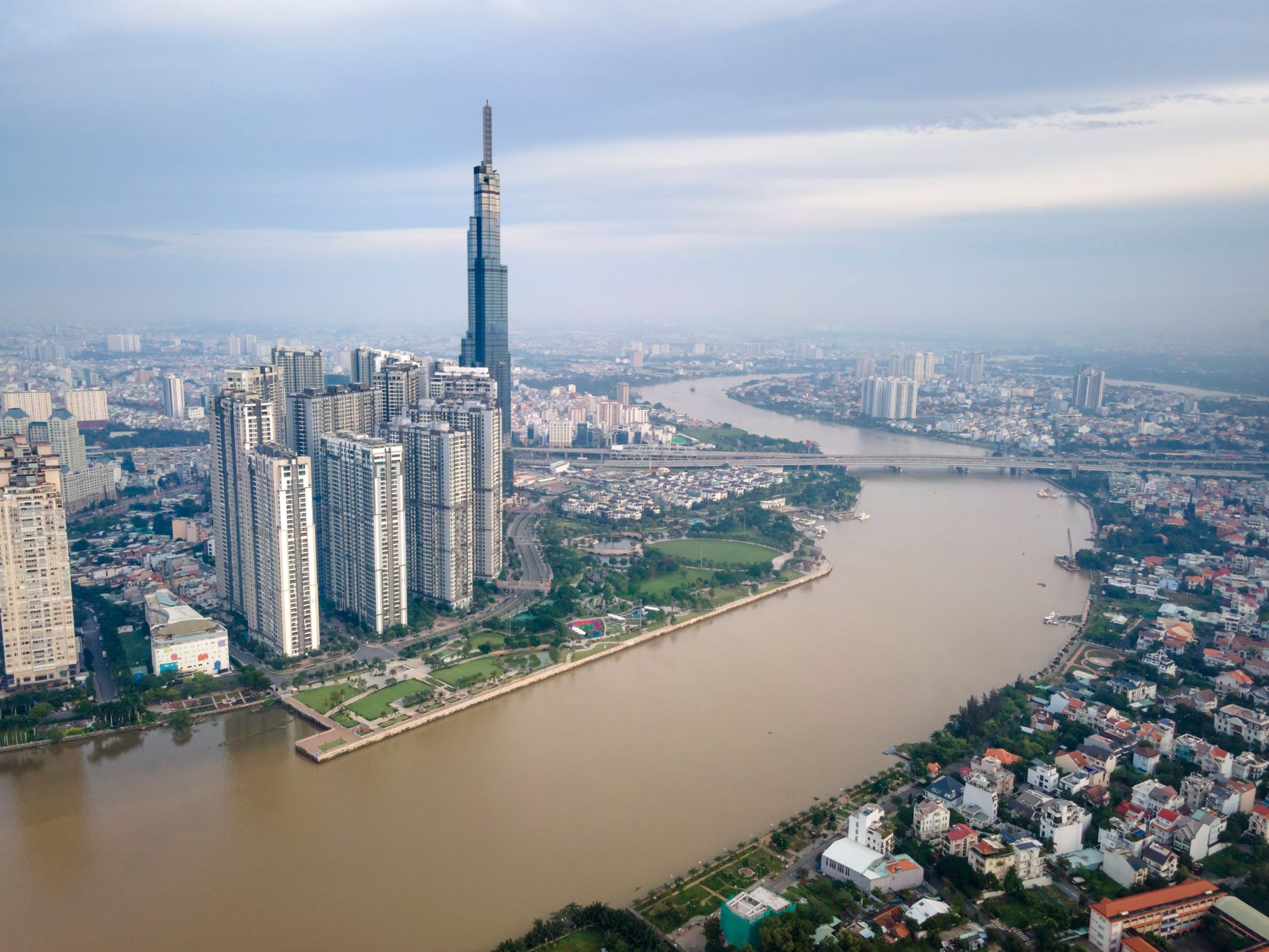
The real estate market in Ho Chi Minh City is currently experiencing increased supply, yet house prices remain high. This dynamic raises questions for potential buyers and investors alike.
Current Trends in Ho Chi Minh City Real Estate
The real estate market in Ho Chi Minh City is currently experiencing a dynamic shift, characterized by an increase in supply while house prices remain high. This trend is impacting both buyers and investors who are evaluating the potential of the market.
Several factors contribute to the current trends:
- Increased Supply: Developers are responding to the growing demand by launching new projects, particularly in suburban areas, where land is more available.
- High Demand: Despite elevated prices, there is a persistent interest from both local and international buyers, driven by the city’s economic growth and urbanization.
- Investment Opportunities: Many investors view Ho Chi Minh City as a lucrative market, with potential returns on investment attracting attention from various sectors.
- Government Policies: Initiatives aimed at promoting urban development are further fueling the real estate market, making it an attractive option for prospective homeowners and investors alike.
Despite the challenges posed by high prices, the overall sentiment among industry experts suggests that the real estate market in Ho Chi Minh City remains worth exploring for those seeking long-term investments or homeownership.
Factors Influencing House Prices
The real estate market in Ho Chi Minh City is influenced by a variety of factors that contribute to the dynamics of house prices. Understanding these elements is crucial for potential buyers and investors alike.
- Economic Growth: The rapid economic development in Ho Chi Minh City has led to increased demand for housing. As the city expands, more people are moving in, driving up prices.
- Supply and Demand: Although supply is increasing with new developments, the demand often outpaces it, particularly in desirable locations. This imbalance keeps prices elevated.
- Infrastructure Development: Investments in infrastructure, such as new roads and public transport systems, significantly enhance property values in surrounding areas. Areas with better accessibility tend to attract higher prices.
- Foreign Investment: The influx of foreign capital into the real estate market in Ho Chi Minh City has also played a role in escalating prices. International buyers often seek properties in prime locations, further driving demand.
- Regulatory Policies: Government regulations and policies regarding property ownership and investment can affect market dynamics. Changes in these laws can lead to fluctuations in prices.
These factors together create a complex environment for the real estate market in Ho Chi Minh City, making it essential for stakeholders to stay informed.
How Supply Affects the Market
The real estate market in Ho Chi Minh City is significantly influenced by supply dynamics. As new developments emerge and existing properties undergo renovations, the influx of available units can reshape buyer expectations and overall market behavior.
Currently, there are several factors contributing to the increase in supply within the city:
- New Construction Projects: The city is witnessing a surge in the number of residential and commercial projects aimed at meeting the growing demand.
- Urban Development Initiatives: Government initiatives to improve infrastructure and urban living conditions have led to more investment in real estate.
- Foreign Investment: With more foreign investors entering the market, additional supply is generated as developers capitalize on this interest.
Despite the increase in supply, house prices in Ho Chi Minh City remain high. This paradox can be attributed to various factors such as:
- High Demand: A persistent demand for housing, driven by population growth and urban migration, continues to outpace supply.
- Location Premiums: Certain desirable areas maintain elevated prices regardless of the number of units available.
- Investment Potential: Many view real estate as a stable investment, which keeps buyer interest strong and prices elevated.
In conclusion, while supply is increasing, the interplay of demand and other market forces keeps the real estate market in Ho Chi Minh City competitive and costly.
Investment Opportunities in Vietnam
As investors seek viable opportunities in the region, the real estate market in Ho Chi Minh City presents a range of attractive prospects. Despite fluctuations in pricing, the demand for residential and commercial properties continues to grow, driven by urbanization and economic expansion.
Several factors make Ho Chi Minh City an appealing destination for real estate investment:
- Growing Economy: Vietnam’s economy has shown resilience and growth, contributing to increased purchasing power among locals and expats alike.
- Infrastructure Development: Ongoing projects, such as new metro lines and enhanced transportation networks, are expected to boost property values significantly.
- Foreign Investment Opportunities: The Vietnamese government has implemented favorable policies to attract foreign investors, allowing them to own properties in many sectors.
- Diverse Property Options: From luxury apartments to affordable housing, there is a wide variety of investment options available, catering to different budgets and preferences.
Potential investors should carefully assess their options and keep abreast of market trends to make informed decisions. While the real estate market in Ho Chi Minh City poses challenges, the long-term prospects remain promising, making it a worthwhile consideration for both local and international investors.
Future Predictions for Ho Chi Minh City Real Estate
As we look ahead, the real estate market in Ho Chi Minh City is poised for significant evolution. Experts predict that the ongoing supply increase will play a crucial role in shaping the market dynamics. While house prices have remained high, analysts suggest that the influx of new properties could eventually lead to a stabilization of prices, creating a more balanced environment for both buyers and investors.
Several factors will influence the trajectory of the market:
- Infrastructure Development: Ongoing improvements in transportation and utilities are expected to enhance property values in emerging districts.
- Foreign Investment: With Vietnam’s appeal growing as a destination for foreign investors, increased capital influx may stimulate demand, keeping prices buoyant.
- Government Policies: Initiatives aimed at promoting affordable housing could also impact the market, making it more accessible for first-time homebuyers.
- Economic Growth: As the economy continues to expand, the demand for real estate is likely to rise, further driving prices.
In conclusion, while the real estate market in Ho Chi Minh City currently faces challenges, the future appears promising. Investors and homebuyers alike should stay informed and adapt to changes to make the most of the opportunities that lie ahead.
Investing in the real estate market Ho Chi Minh City can offer substantial returns, particularly in emerging neighborhoods. However, potential buyers should carefully analyze trends and seek expert advice before diving into the real estate market Ho Chi Minh City.
Photo by Quang Nguyen Vinh on Pexels